
The most common dating scams
Scammers follow scripts. Learn the 14 most common ones, the red flags that give them away, and real recent cases from courts, police and regulators.

Romance scams
A scammer builds an online relationship using a fake or borrowed identity, often over weeks or months, and invests heavily in attention and affection.

Pig butchering
A friendly or flirtatious contact – often on a dating app, social media or a 'wrong number' text – builds a relationship and casually mentions success trading crypto, gold or forex as a 'side job'.

Sextortion and image blackmail
The criminal poses as an attractive person (often a young woman) on a dating app, social media or game, flirts quickly, and persuades the target to exchange nude images or join an intimate video call that is secretly recorded.

Catfishing and impersonation
Scammers build profiles from photos stolen from real people – often soldiers, professionals or celebrities – and invent a life that explains why they cannot meet: deployed overseas, working on an oil rig, with an international organisation, or too famous.
“Send me the code” account takeovers
A match says they want to 'make sure you are real' and asks for your phone number, then sends you a six-digit code and asks you to read it back.

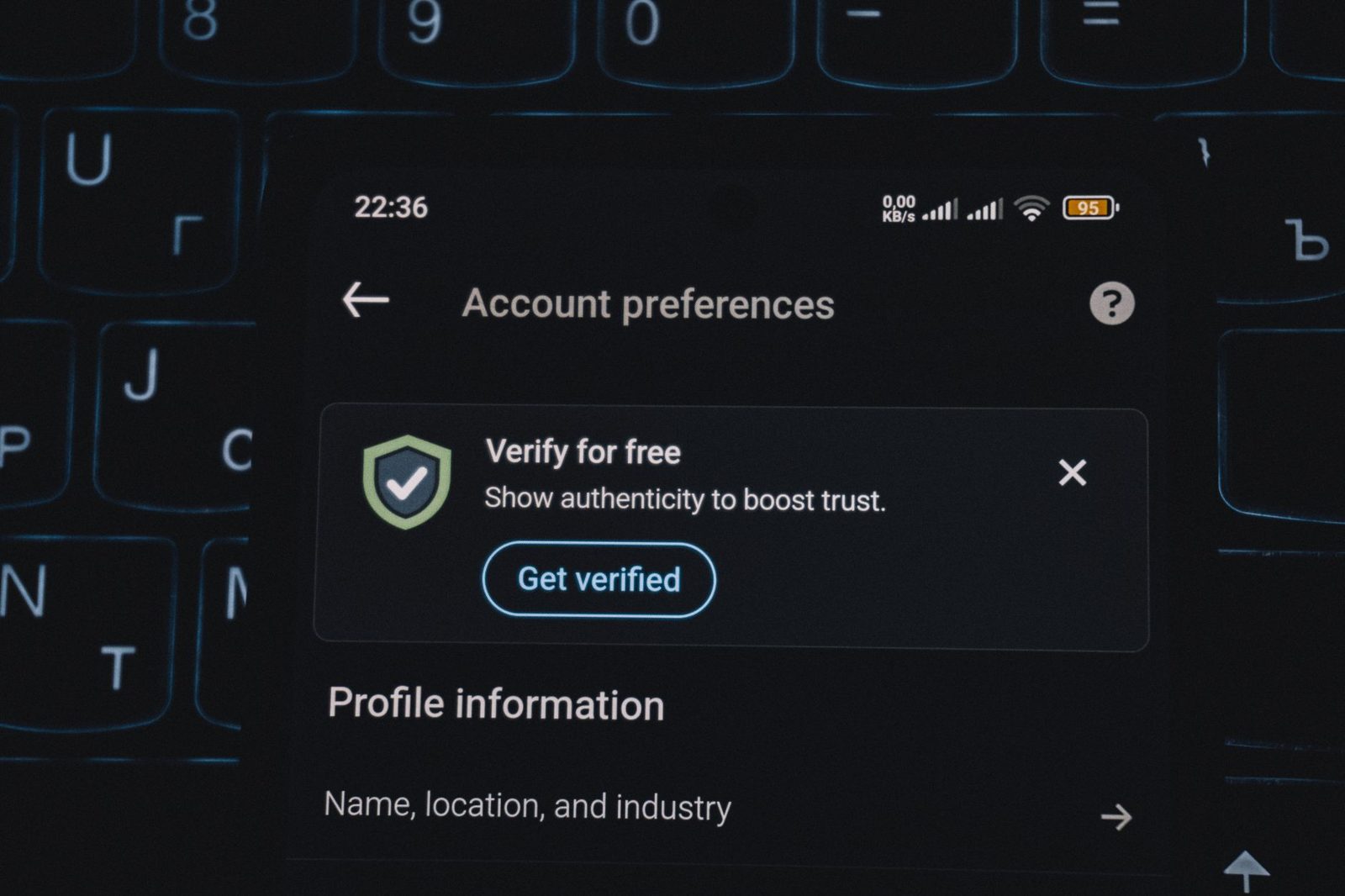
Fake ‘safety ID’ verification links
Soon after matching, the scammer moves the chat to an encrypted messenger and says that, for their safety, you must 'verify' on a third-party website before meeting.

Gift-card and emergency-money requests
Once a relationship is established the person suddenly needs money fast – to pay a hospital, a fine, travel costs, a visa, customs, or even to 'stay online' to keep talking.

Money-mule recruitment
After grooming a victim, the scammer asks them to receive money, checks or crypto 'on their behalf' because of a banking problem, then forward it elsewhere.

Fake dating sites and subscription traps
Some sites and apps exist mainly to take money or data: they lure sign-ups with fake 'love interest' messages from bots or scam accounts, hide recurring charges, or make cancelling hard.

AI chatbots and deepfake video calls
Scammers use generative AI to create realistic profile photos, write fluent flirtatious messages at scale, clone voices and alter their face in real-time video calls, defeating the classic advice to 'just video call them'.

Meet-up robbery setups
Criminals use fake profiles to arrange a date at a private home, quiet park or isolated spot.

Inheritance, gold and customs-fee scams
The online partner says they have inherited gold, jewels or cash, or are sending you a valuable gift or package, but it is held by customs, a courier, or a bank.

Sugar-daddy allowance scams
A wealthy-seeming 'sugar daddy' or 'sugar momma' offers a weekly allowance of hundreds or thousands in exchange for companionship.

Recovery scams
After someone has lost money, criminals contact them posing as law enforcement (including fake FBI/IC3 agents), lawyers or 'recovery' firms, promising to get the money back for an upfront fee, crypto payment or personal/financial details.