
Sugar-daddy allowance scams
Also known as: sugar baby scam, allowance scam, fake check scam
How it works
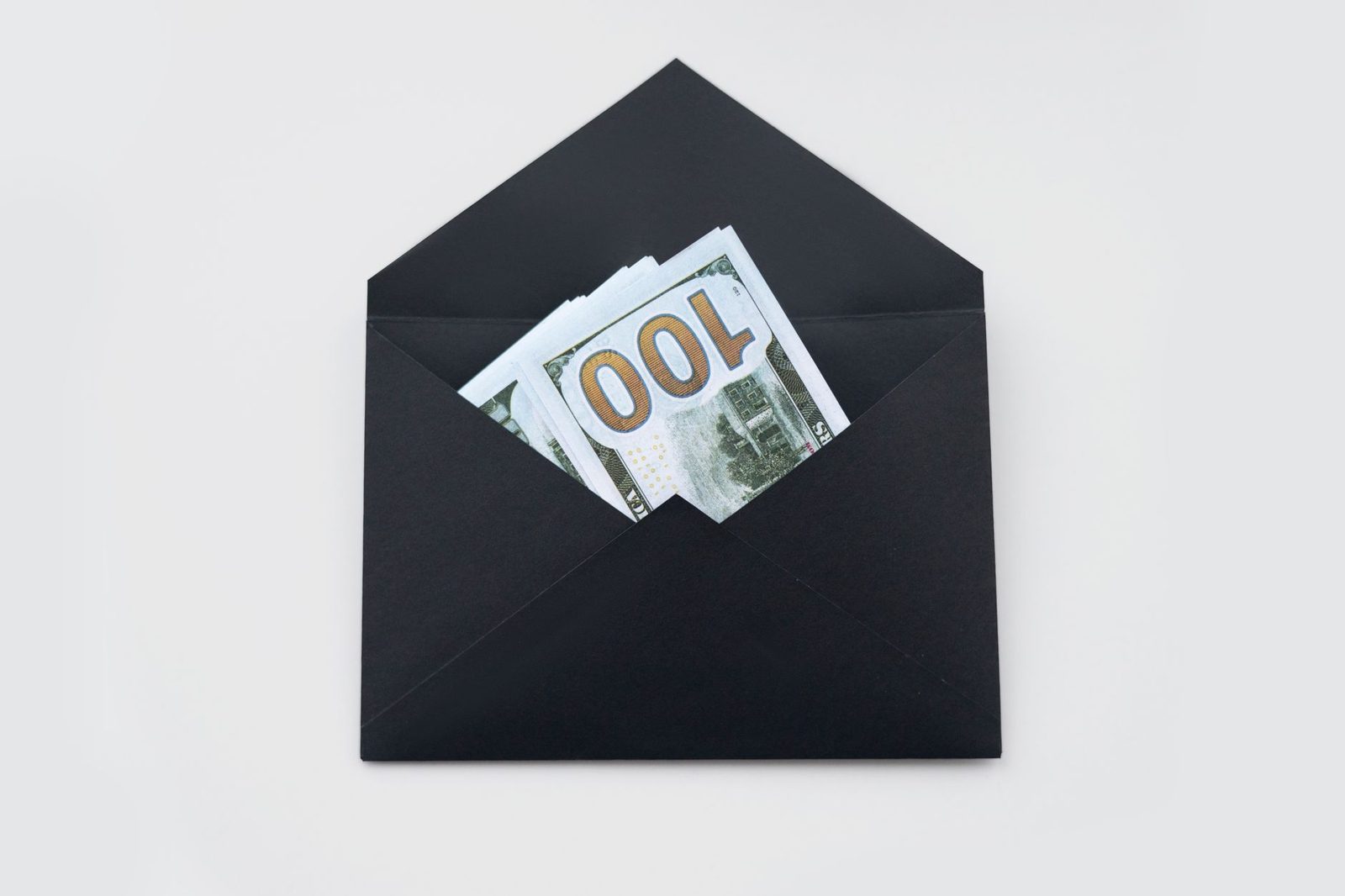
A wealthy-seeming 'sugar daddy' or 'sugar momma' offers a weekly allowance of hundreds or thousands in exchange for companionship. They send a check or fake transfer confirmation – often more than promised – and ask you to forward part of it, buy gift cards, pay a bill or a 'fee', sometimes in Bitcoin. The original payment is fake and bounces, so the victim loses the money they sent. Some ask for bank logins or ID, which can get the victim's account restricted.
Red flags
- They offer to pay you an allowance before you have met
- They send more money than agreed and ask you to send some back or buy gift cards
- They ask you to pay a 'fee' before you can receive their payment
- They ask for your online banking login or ID documents
Recent cases
Real cases reported by courts, police, regulators and the press. People facing pending charges are presumed innocent, and private victims are not named.
The numbers
- IC3: overpayment fraud – 2,194 complaints and $22.9 million lost. (2025) source
If it is happening to you
- Never forward money from a deposit or check you received from an online contact – wait, and assume it will bounce.
- Never share online-banking logins or ID documents.
- Tell your bank if you deposited a check or shared account details.
- Report to BBB Scam Tracker as well as the authorities below.
Where to report
Related scams
Romance scams
A scammer builds an online relationship using a fake or borrowed identity, often over weeks or months, and invests heavily in attention and affection.
Pig butchering
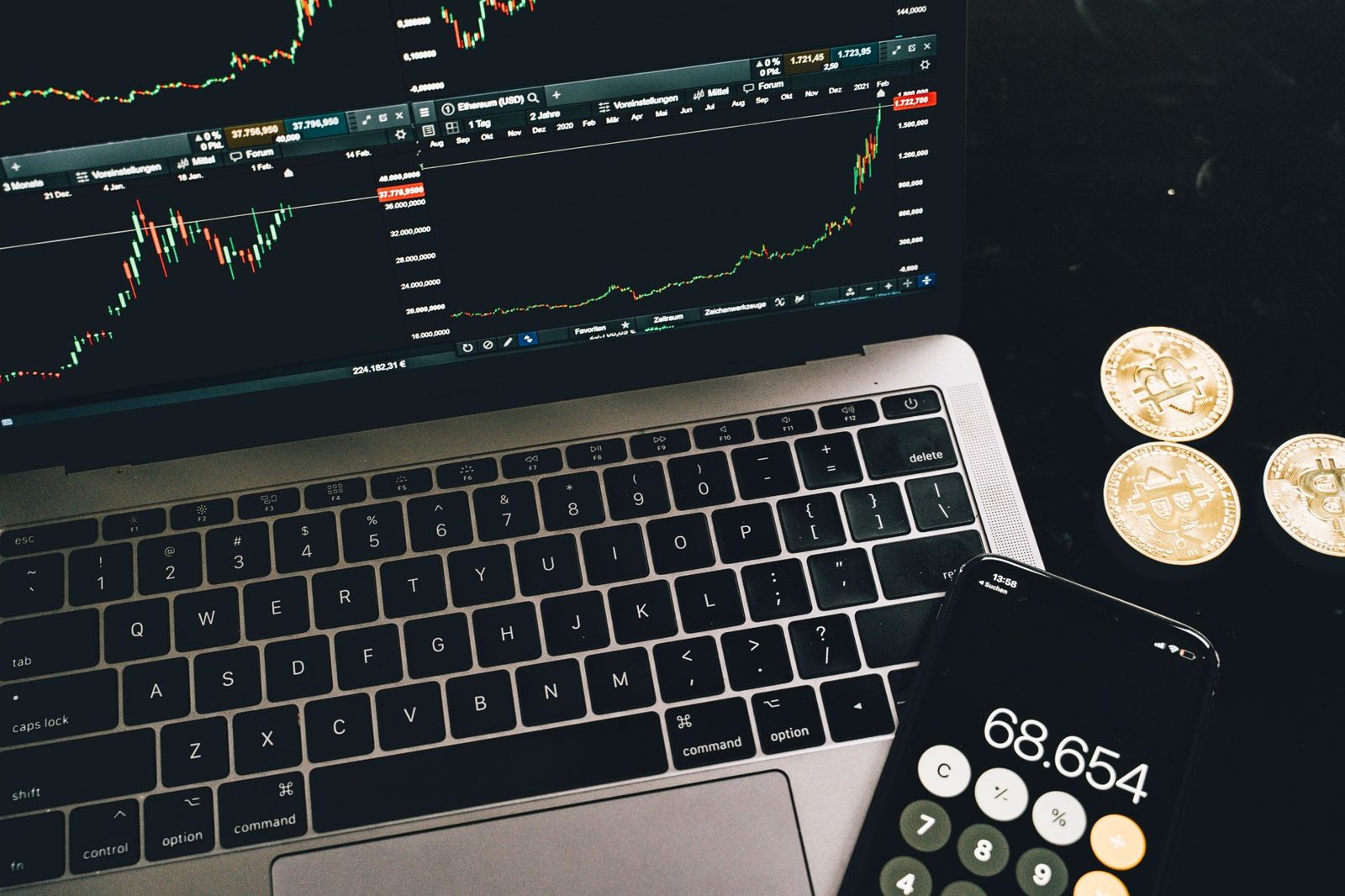
A friendly or flirtatious contact – often on a dating app, social media or a 'wrong number' text – builds a relationship and casually mentions success trading crypto, gold or forex as a 'side job'.
Sextortion and image blackmail
The criminal poses as an attractive person (often a young woman) on a dating app, social media or game, flirts quickly, and persuades the target to exchange nude images or join an intimate video call that is secretly recorded.
Sources
- https://www.bbb.org/article/scams/24089-bbb-scam-alert-romance-scam-dupes-daters-with-the-promise-of-a-sugar-momma
- https://www.fox26houston.com/news/bbb-warns-of-sugar-momma-sugar-daddy-romance-scams-online
- https://www.ic3.gov/AnnualReport/Reports/2025_IC3Report.pdf
Research compiled 28 September 2026.