
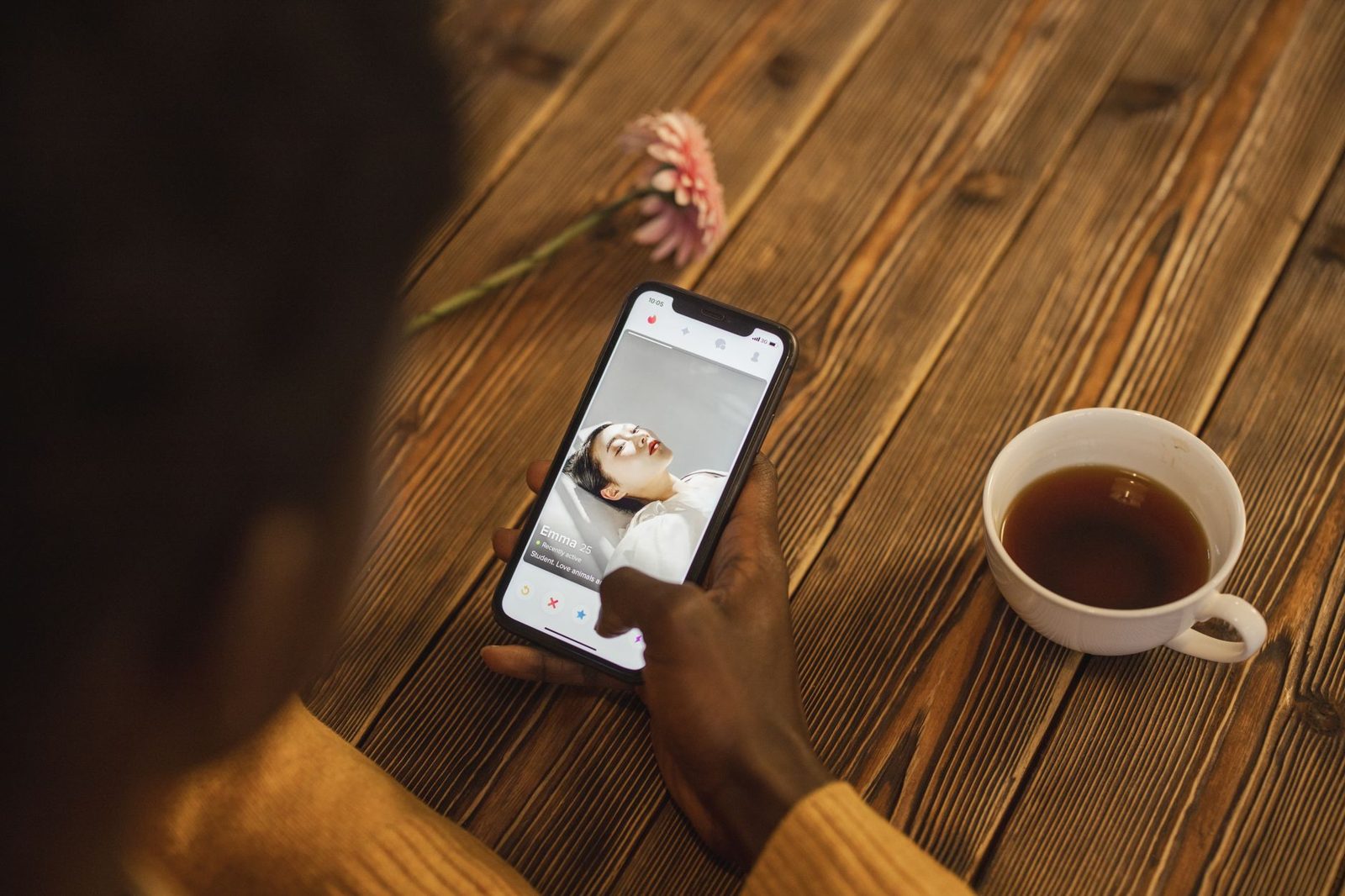
Fake dating sites and subscription traps
Also known as: fake dating app malware, subscription trap, bot-driven dating site
How it works
Some sites and apps exist mainly to take money or data: they lure sign-ups with fake 'love interest' messages from bots or scam accounts, hide recurring charges, or make cancelling hard. Others are malware disguised as dating or chat apps that, once installed, steal contacts, photos and texts which are then used for extortion. Scammers may also push victims to download a 'better' chat app or join a different site.
Red flags
- A match asks you to install a different app or join another dating site to keep talking
- You are asked to download an app from a link rather than an official app store
- An app asks for access to your contacts, photos and texts to 'register'
- You get flirty messages right after signing up that push you to pay to read them
Recent cases
Real cases reported by courts, police, regulators and the press. People facing pending charges are presumed innocent, and private victims are not named.
If it is happening to you
- Install dating apps only from official app stores and stick to well-known services.
- Check permissions; do not grant contact/SMS access to a dating app that doesn't need it.
- Review card statements for recurring charges and cancel via your card issuer if needed.
- Report deceptive billing to the FTC (US) or relevant consumer regulator; report extortion to police.
Where to report
Related scams

Romance scams
A scammer builds an online relationship using a fake or borrowed identity, often over weeks or months, and invests heavily in attention and affection.
Pig butchering
A friendly or flirtatious contact – often on a dating app, social media or a 'wrong number' text – builds a relationship and casually mentions success trading crypto, gold or forex as a 'side job'.

Sextortion and image blackmail
The criminal poses as an attractive person (often a young woman) on a dating app, social media or game, flirts quickly, and persuades the target to exchange nude images or join an intimate video call that is secretly recorded.
Sources
- https://www.ftc.gov/news-events/news/press-releases/2025/08/match-group-agrees-pay-14-million-permanently-stop-deceptive-advertising-cancellation-billing
- https://www.infosecurity-magazine.com/news/malware-campaign-dating-apps/
- https://www.ic3.gov/PSA/2024/PSA240426
Research compiled 28 September 2026.